
The new movie, Spotlight, tells the ugly story of clergy sexual abuse of children. But what the movie says about institutional complicity reveals the ugly side of church leadership.
Spotlight is based on the true story of how Boston Globe newspaper’s investigative reporting team called, “Spotlight.” The team uncovered widespread child molestation and its cover-up in Boston’s Catholic Archdiocese.
As one might expect, the individual cases of abuse – more than 1,000 – are at the heart of the movie. The devastating effects of the abuse are seen in the children molested and their families.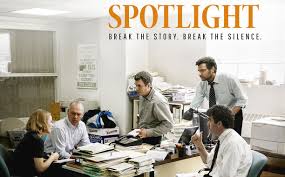
But what Spotlight does especially well is describe wider complicity by ecclesial authorities and the legal system. Priests preyed on mostly underprivileged boys, using their positions of power to satisfy their own illicit pleasures.
Lawyers called in by the church to meet with victims and their families encouraged those involved to sign confidentiality agreements but offered minimal financial compensation. The agreements and small payments were kept off the legal record.
[bctt tweet=”When religious authorities cover up abuse, young and old lose faith in the church.”]
Spotlight addresses the larger institutional structures of the church and why the institution became blameworthy. Not only were priest violators shuffled from parish to parish. But church leadership went to great effort to keep victims silent.
I believe that Spotlight offers as a powerful example of how failure to act for the good of the few undermines the good of the whole. Church leadership wrongly thought that protecting the reputations of their fellow leaders and the institution as a whole – while covering up the truth about how some leaders were abusive – was best.
The result is expressed well in the movie by an attorney representing the victims: “If it takes a village to raise a child, it takes a village to abuse one.”
[bctt tweet=”Those who turn a blind eye to justice will not be looked to for spiritual inspiration.”]
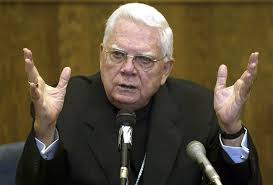
One of the most insightful scenes comes near the end of Spotlight, as Globe reporters, played by Mark Ruffalo and Rachel McAdams, think about what the scandal means for their own relation to the church. Both were raised in Roman Catholic communities, but both say their adult involvement was little to nothing.
McAdams’s character admits that she can no longer bring herself to attend mass. Ruffalo’s character says he had always assumed he would return to the church. The molestation scandal and ongoing cover-up, however, now presented insurmountable obstacles. What the church had done, especially its leaders, made him unwilling to return to the church community.
One advocate for the victims says early in the movie that what happened was “not just physical abuse, it’s spiritual abuse.” In other words, those molested had lost faith or could no longer maintain healthy spiritual lives.
Institutional and leadership cover-up of sin and injustice have massive negative repercussions. Those who turn a blind eye to justice will not be looked to for spiritual inspiration. Spiritual abuse done by the powerful compels both young and old people to lose faith in the church.
A spotlight will shine on injustice done by individuals in private or leaders behind closed doors.
[bctt tweet=”A spotlight will shine on the evil individuals do in private and leaders do behind closed doors.”]