
Thomas Alva Edison once said that invention is 1% inspiration and 99% perspiration. I’ve been thinking about what this quote might mean for theology.
I think Edison was trying to emphasize that creativity takes hard work. Artists – and we’re all artists to some degree – don’t create without effort. Some of the most beautiful art is the result of blood, sweat, and tears.
But I wonder what it means to think about inspiration and perspiration from a theological perspective.
If we think in terms of God’s inspiration and the perspiration of our creative endeavors, the percentages likely differ from those Edison suggests. I don’t think creatures do 99% of the work to create the beauty, art, and order we see in our world.
In the Wesleyan tradition, the idea of prevenient grace helps me think through these issues. In part, prevenient grace says God plays the primary role in new creation. To “pre-vene” is to come before. God’s loving and creative action comes prior to and makes possible creaturely response.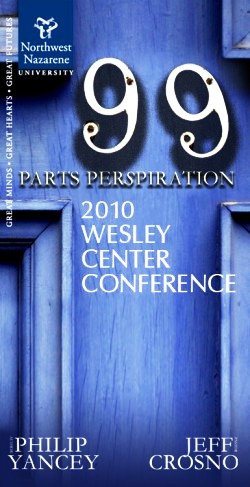
I don’t think the good in this world is entirely the result of our perspiration. If I did, I would never have reason to say “thank you” to God. Gratitude to God would be superfluous. Creatures shouldn’t get all credit for the good and beautiful. To give creatures all the credit would make God’s creative artistry unnecessary.
But the good and beauty of we encounter is not entirely the result of God’s actions. If that were true, we should stop saying “thank you” to people who do something good for us. If we really thought God was 100% responsible for what is good and beautiful, we should stop handing out “appreciation” awards to those who act in beneficial ways or saying “good work” to those who make positive contributions.
Besides, if God shouldn’t be blamed for the ugliness and evil of the world, we shouldn’t also give God 100% credit for the good and beautiful. If wrong responses of creatures – not God – are the source of evil, the right responses of creatures must be at least partial contributors to beauty and goodness. This is especially true if God created creatures, called them “good,” and said at least some of them were made in God’s image.
The Wesleyan tradition has sometimes used the word “synergy” to talk about the creative cooperation between God and creatures. In my mind, this is a good word – so long as we don’t think of “synergy” to mean, “co-equal.” I don’t think God and creation are co-equal. But I do think creatures can work (“energy”) along with (“syn”) our Creator God.
I haven’t got this “inspiration-perspiration ratio” figured out. I wouldn’t be surprised if figuring out the percentages of God’s inspiration and our perspiration for any situation is inherently impossible.
I am comfortable saying that the beauty, goodness, and creativity of this life are LARGELY the result of God’s inspiration and LESS the result of our perspiration. But I’m still working out my thoughts on the subject.
I’m going to be thinking more about this “divine inspiration – creaturely perspiration ratio” the first weekend of February. Philip Yancey, Jeff Crosno, and a host of others are speaking at the NNU Wesley Center conference February 4-6. The title for the event draws from Edison’s quote: “99 Parts Perspiration: God and the Creative Process.”
My friend and colleague, Jay Akkerman, is directing this year’s Wesley conference. If you’re interested in attending, here’s a helpful link with information. If you see me at the conference and it’s no sweat, say hello! : )