
For some time, Christians in the various arms of the Wesleyan tradition have pondered what they share in common. The Wesleyan theological tradition is diverse, but it offers a distinctive vision of the gospel. And that vision differs from other Christian visions.
The Wesleyan tradition arose from the impact of John and Charles Wesley. These 18th century brothers began a revival in England that eventually touched regions around the world.
John Wesley’s view of the Bible and general ideas about Church and its practices are considered helpful by many today. While not all of Wesley’s opinions and views are embraced, his general theological vision provides a profound resource for contemporary Christians. 
The Wesleyan theological vision and the tradition’s practices inspire nearly 100 million Christians around the world. More than eighty Christian denominations today consider Wesley their primary theological ancestor. Among them are the United Methodist Church, the Salvation Army, the Free Methodist Church, the Church of God (Anderson), and the Church of the Nazarene.
The following is a list of some the Wesleyan tradition’s orienting beliefs. I don’t mean to imply that every Christian in the Wesleyan tradition would affirm this exact list or the precise language I use. But I do believe that the following twelve items together provide a general picture of what most Wesleyans affirm today.
1. God’s primary attribute is love. Or, as Charles Wesley put it in a hymn: “God’s name and nature is love.”
2. God is triune. The Father has been revealed in Jesus Christ through the power of the Holy Spirit.
3. God acts first in every moment to offer salvation, and humans freely respond to God’s offer. God’s action that enables creaturely free response is called “prevenient grace.”
4. Jesus’ life, death, and resurrection make possible a fruitful relationship with God and hope for transformation in this life and the next.
5. God does not predestine some to heaven and others to hell. All have the opportunity to experience eternal life both now and in the future.
6. Christians should consult the Bible, Christian tradition, reason, and contemporary experience (i.e., the Wesleyan quadrilateral) when deciding how to think and act as Christians.
7. The Bible’s primary purpose is to teach the way of salvation. One may or may not affirm its statements about scientific, historical, or cultural matters.
8. The Church and its practices are crucial to Christian understanding, right living, and compassion toward others and oneself.
9. God values and seeks to redeem all creation: humans and nonhumans. God cares about the whole and not just a few.
10. Transformation from a life of sin to a life of love begins in this life. Christians are not merely waiting for the afterlife. They can experience and promote abundant life now.
11. Personal and corporate religious experience, not merely rational consent to Christian doctrines, characterizes the flourishing Christian. Both heart and head matter.
12. Christians are sanctified as they respond appropriately to God’s empowering love. Sanctified Christians love God, others, and all creation, including themselves. Some responses to live in holiness represent important turning points in the Christian life.
More could be said. Theologians like me wrestle over the details and haggle over concepts and language. But these brief statements provide an overview of what makes the Wesleyan theological tradition so attractive to me and others.
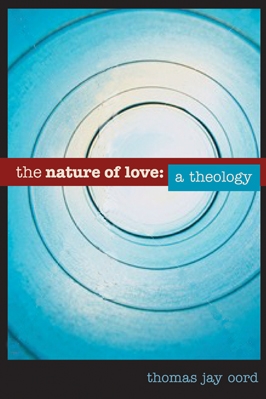
Let me conclude with two quotes from John Wesley that I cite in my upcoming Wesleyan Theological Society conference presentation. I began preparing my presentation as I concluded writing my forthcoming book, The Nature of Love: A Theology. My presentation’s overall argument (and a major argument in the book) is that love should be the orienting concern in Wesleyan systematic theology.
Here are Wesley’s words:
“No scripture can mean that God is not love, or that his mercy is not over all his works.”
“Love is the end of all the commandments of God. Love is the end, the sole end, of every dispensation of God, from the beginning of the world to the consummation of all things.”
Amen